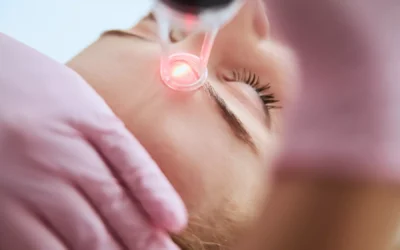
If you have been exploring ways to extend the benefits of professional facial treatments between office visits, you have likely come across infrared devices marketed for at-home skin care. The promises range from smoother skin to less joint stiffness, and the science behind many of these claims is real-though the details matter more than the marketing. Below, we break down what infrared light therapy devices actually do, which ones are worth your time, and how to use them alongside the professional care you receive at Maryland Center for Facial Plastic Surgery in Baltimore.
Key Takeaways
- Infrared light therapy devices, including red light and near infrared light options, can support skin rejuvenation, joint pain relief, and muscle recovery when used correctly at home.
- Red and near infrared light can help stimulate more ATP in skin cells, which may improve skin tone, skin texture, and wound healing when combined with professional care at Maryland Center for Facial Plastic Surgery.
- Home light therapy devices are not a replacement for in-office treatments with Dr. Samuel Hahn and Aesthetics Director and aesthetician Annette Luskin, but a complement between visits.
- Patients should choose medical grade or clinically backed devices-whether a face mask, handheld device, or small full body panel-and use them consistently a few times per week.
- Personalized guidance from our Baltimore practice via consultation is recommended before investing in at home devices, especially after surgery or injectables.
Quick Answer: Are Infrared Home Devices Worth Adding to Your Skin Care Routine?
Yes, with the right expectations. For most healthy adults who want to support skin quality, ease discomfort in stiff joints, or speed up muscle recovery at home, a well-chosen red light therapy device can be a practical addition to a broader care plan.
Infrared light therapy devices work by delivering specific wavelengths of light-typically between 600 and 1000 nm-that gently stimulate cellular energy, improve blood flow through vasodilation, and encourage collagen production. Over time, this may reduce fine lines, calm redness, and support ongoing skin repair. Infrared therapy can temporarily relieve pain and improve circulation, making it relevant beyond cosmetic concerns alone.
Noticeable changes usually require consistent use over eight to twelve weeks, especially for cosmetic skin concerns rather than acute medical conditions. Research suggests that regular use can lead to a 38% reduction in wrinkle depth and can increase skin elasticity by 19% after 12 weeks of use-numbers drawn from controlled clinical studies, not just manufacturer claims.
Our team at Maryland Center for Facial Plastic Surgery commonly recommends specific device types and usage schedules tailored around facelifts, eyelid surgery, injectables, and medical spa treatments. When devices are used as directed, side effects are uncommon and usually limited to temporary warmth or mild redness.
How Infrared Light Therapy Works in the Skin
To understand how does red light therapy work, it helps to start with the basics. Red light therapy uses wavelengths of 630 to 850 nanometers. Within that range, red light (around 630–680 nm) and near infrared light (around 800–880 nm) are the two most clinically studied bands. Infrared devices utilize electromagnetic radiation with wavelengths longer than visible light, and these particular wavelengths are non-ionizing-meaning they do not burn tissue or damage DNA the way ultraviolet rays can.
When light interacts with mitochondria in your skin cells, it is absorbed by a protein complex called cytochrome c oxidase. This absorption releases inhibitory nitric oxide, allowing the mitochondria to resume efficient electron transport. The result is that your cells produce more ATP-the energy currency that powers protein synthesis, DNA repair, and cell turnover. Red light therapy boosts ATP production in cells, giving them additional fuel for normal maintenance and recovery processes.
Red wavelengths primarily act in the superficial skin layers (epidermis and upper dermis), penetrating roughly one to three millimeters. Near infrared light penetrates deeper into muscles and joints-potentially four to five millimeters or more-reaching deeper tissues, small blood vessels, and sometimes superficial muscle. This is why nir light is favored for pain and recovery applications while red light dominates surface-level anti aging goals.
This photobiomodulation response may support collagen synthesis, reduce low-grade inflammation, and improve local circulation. A 2014 randomized controlled trial involving 136 volunteers treated with red or polychromatic light twice weekly for 30 sessions showed significant improvements in intradermal collagen density, surface roughness, and complexion-key goals in aesthetic medicine.
Infrared light therapy improves circulation by promoting vasodilation, which increases nutrient delivery and waste removal from treated tissue. Our medical grade in-office systems use similar principles but with controlled settings, precise dosing, and integration into larger treatment plans designed by Dr. Hahn and Annette Luskin.
It is worth noting that infrared devices are used in various industries including medicine and security. Infrared radiation is used in thermal imaging for detecting heat differences, infrared thermometers measure surface temperature without physical contact, and infrared sensors are employed in motion detectors for security systems. Thermal cameras detect heat emitted by objects for applications like firefighting, while infrared sensors in night vision devices enhance visibility in low-light conditions. Infrared radiation enables contact-free temperature measurement across settings from hospitals to industrial plants. Even when you browse an online store for light therapy devices and encounter a page performing security verification-where the site’s security service checks that you are not one of the malicious bots before displaying a respond ray id and a verification successful message-you are experiencing one small example of how broadly infrared and sensor technology touches everyday life.
Near-infrared devices are used in low-level light therapy to promote healing, which is the specific medical application we focus on in this article.
Benefits of Infrared Devices for At-Home Skin Care
Results vary based on device quality, consistency, and individual skin biology, but many patients in the Baltimore and Towson area use home infrared light to support clinic treatments and recovery. Here is what the evidence points to.
Anti-Aging Skin Benefits
When combined with quality skincare and sun protection, red light therapy can meaningfully improve the visible signs of aging:
- Smoother skin texture and reduced appearance of fine lines
- More even skin tone with less blotchiness
- Regular use can lead to a 38% reduction in wrinkle depth based on clinical data
- Infrared light therapy can increase skin elasticity by 19% after 12 weeks of consistent sessions
- Improved collagen production supports firmer, more resilient skin over time
These outcomes align with what a 2014 RCT demonstrated: measurable collagen density improvements in subjects treated with red and polychromatic light over 30 sessions.
Healing and Post-Procedure Recovery
Infrared light may support healing and recovery after procedures like facelifts, eyelid surgery, laser resurfacing, and injectable treatments when cleared by Dr. Hahn’s team. The CURES trial used red LED light on facelift patients beginning one week after surgery, with triweekly sessions for three weeks. At six months, treated sites showed improved scar pliability, reduced induration, and better observer ratings with minimal adverse events. Infrared therapy speeds up muscle recovery by reducing soreness in treated areas, which can benefit patients navigating early post-operative discomfort.
A systematic review of 56 randomized controlled trials found that near infrared light therapy improves postoperative wound healing rate and reduces pain, especially with wavelengths in the 700–850 nm range.
Joint and Muscle Relief
Beyond skin concerns, infrared light can support pain relief in the neck, jaw, and shoulders. Seventy percent of arthritis patients reported less joint pain with red light therapy, and the same review data showed benefit for chronic pain in superficial joints and soft tissue. Infrared light therapy reduces joint pain in 70% of participants across multiple study populations. This makes these devices relevant for patients who experience tension in the upper back and shoulders after long workdays or postural strain.
Hair Growth
Emerging uses include hair growth support with near infrared and red light caps or bands. Some studies using 830 nm or combined 660 nm wavelengths show promise for thinning hair, particularly early androgenic alopecia, when devices are used regularly over several months. Expectations must be realistic-results are gradual results at best, and this application is less robustly studied than skin or joint uses.
Additionally, 92% of participants achieved acne remission with red light therapy in certain clinical studies, suggesting broad dermatologic utility beyond wrinkles alone.

Types of Infrared Home Devices: From Face Masks to Full-Body Panels
Different light therapy devices are suited for different goals. The right device depends on whether you are primarily targeting skin, joints, muscles, or larger treatment areas-and how much time you are willing to commit per session.
LED Face Masks
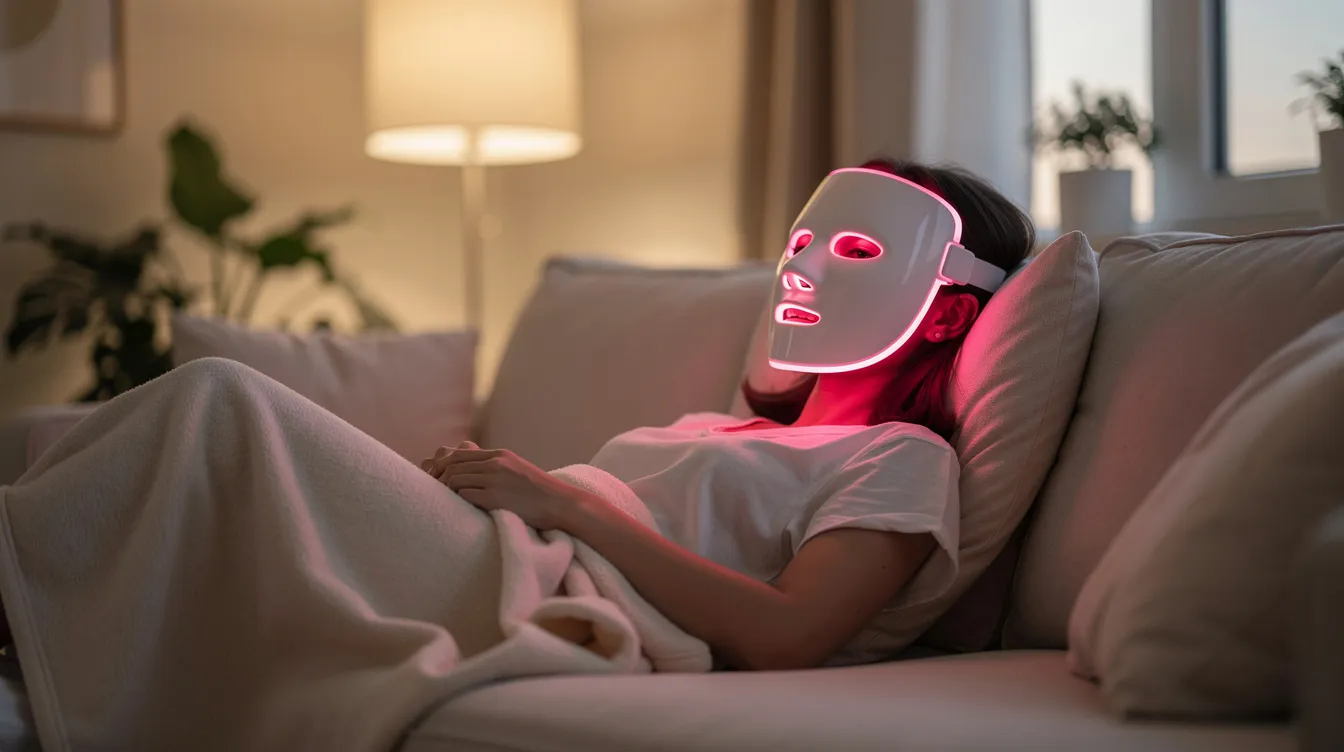
LED face mask devices use light emitting diodes arranged for full-face coverage. They are ideal for addressing fine lines, uneven pigment, acne-prone skin, and post-procedure redness when allowed by your provider. Most masks offer hands free use, meaning you can sit comfortably during a session. Many devices in this category also include a blue light mode-blue light targets acne-causing bacteria and is sometimes combined with red for dual-action protocols. Higher LED density per area provides more uniform coverage and fewer shadowed zones.
Handheld Devices
A handheld device can be moved over specific areas such as crow’s-feet, smile lines, or small joints, offering targeted treatment with shorter sessions. These are useful when you want to concentrate energy on a single treatment area rather than the entire face. Products like the Infraredi Pro Mini 2.0 targets joint pain and skin health in a portable format.
Mid-Size Panels and Wraps
Mid-size panels or wrap-style devices can treat the neck, chest, or upper back. The Infraredi Body Wrap reduces inflammation and relieves joint pain, making it useful for patients seeking both cosmetic benefits and relief of muscle tension across multiple areas. Panel size determines how much body surface you can cover in a single session.
Full Body Panels
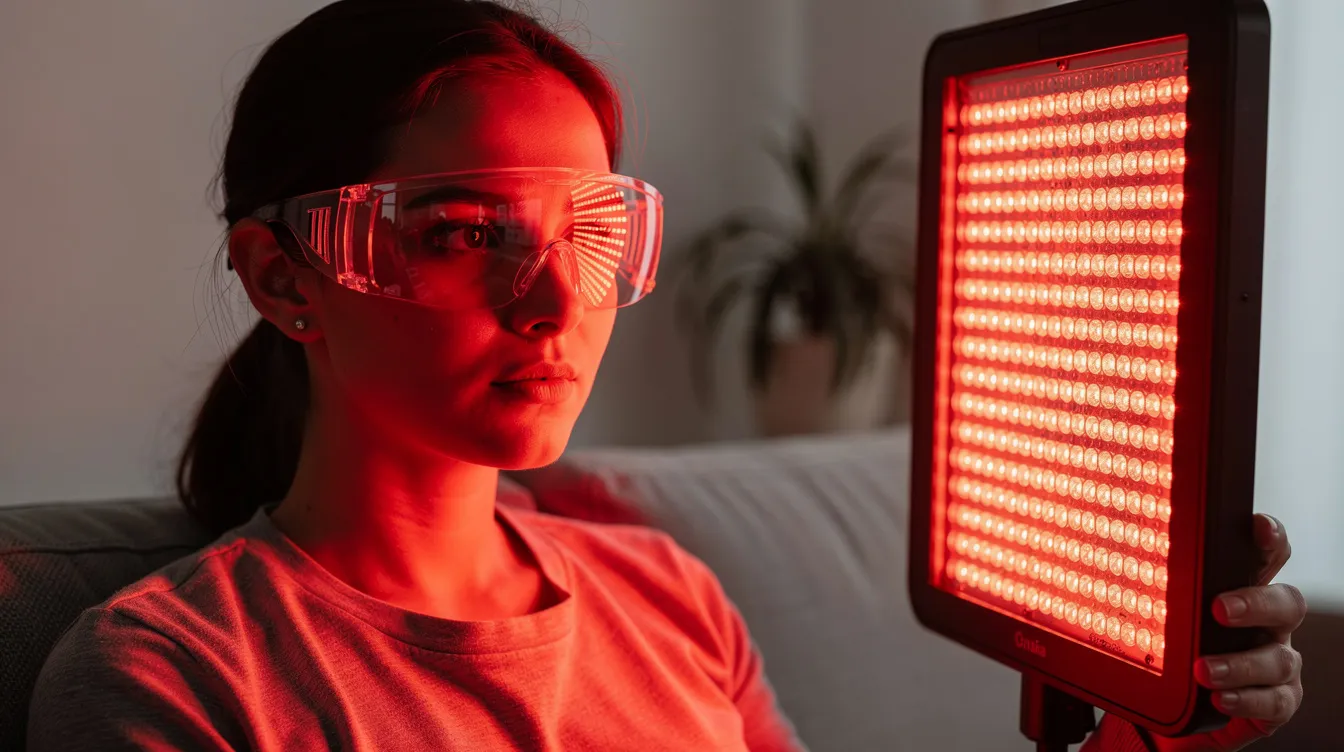
Larger full body panels are available for overall wellness, muscle recovery after workouts, and widespread joint discomfort. They cover larger treatment areas but may be more than many facial-focused patients require. Far infrared radiation is used in saunas for therapeutic heating purposes-a related but distinct application from the red and near infrared panels discussed here, which operate at lower thermal intensity.
Choosing a Safe, Effective Infrared Device for Home Use
Specifications-wavelength, power, and safety testing-matter more than flashy marketing terms. Not every device sold online delivers what it promises.
Wavelength Selection
Target devices that use specific wavelengths in the 630–680 nm (red) and 800–880 nm (near infrared) ranges. Use specific wavelengths between 600 to 1000 nm for optimal results. These are the bands with the strongest clinical evidence for skin and soft tissue applications.
Power and Treatment Time
Look for clearly stated power output (irradiance). Effective home LED masks typically deliver 20–60 mW/cm², while professional panels run at 30–50 mW/cm² or higher. You multiply irradiance by time to get total energy delivered (fluence). A device with lower power simply requires longer sessions to reach the same effective dose-so extremely short treatment claims from low-power devices should raise questions. The right intensity for home use should match evidence-backed exposure levels rather than pushing for extremely long or intense sessions.
Safety Certifications
Devices should be FDA-cleared for safety and efficacy. An fda clearance under the 510(k) pathway means the device has met manufacturing and safety standards, though it does not guarantee results for every claimed benefit. Look for fda cleared devices when possible-this is your baseline quality check.
Getting Personalized Advice
Maryland Center for Facial Plastic Surgery stocks options like Celluma and Omnilux. Encourage yourself to bring device options-photos or links-to your skincare consultation at Maryland Center for Facial Plastic Surgery. Dr. Hahn or Annette Luskin can help confirm suitability and timing around procedures, ensuring the device you choose actually fits your treatment plan.
How to Integrate Infrared Devices into Your Home Skin Care Routine
Consistency matters far more than marathon sessions. Use red light therapy several times a week for best results-typically three to five sessions-rather than occasional hour-long exposures.
Sample Routine
- Cleanse your skin thoroughly, removing all makeup, sunscreen, and residue
- Apply the light device to bare skin for the recommended time
- Follow with serums and moisturizers after your session-active ingredients may absorb better on freshly treated skin
- Apply SPF if it is your morning routine
Sessions should last 10 to 20 minutes for effective treatment when using a face mask. A handheld device may require only a few minutes per area, moving across each treatment area methodically.
Coordinating with Professional Treatments
If you are undergoing in-office services like chemical peels, microneedling, laser treatments, Hydrafacials, or injectable follow-up, always defer to customized instructions from Dr. Hahn’s practice. Some treatments create temporary sensitivity where adding light therapy too soon could irritate the skin. Your daily routine should flex around your professional treatment schedule, not the other way around.
Tracking Progress
Advise tracking changes with before-and-after photos taken in similar lighting every four to six weeks. This is the most realistic way to evaluate gradual results from consistent use. Many devices promise rapid transformation, but the data shows meaningful improvements in collagen production, wrinkles, and skin tone develop over eight to twelve weeks at minimum.
Safety Essentials and When to Avoid Infrared Home Devices
Home infrared light is generally gentle, but using it correctly protects you from unnecessary irritation and ensures you actually benefit from your sessions.
Key Safety Practices
- Follow manufacturer instructions for session length, distance, and frequency
- Never look directly into bright LEDs, especially near infrared wavelengths that are invisible to the eye but can reach the retina
- Use protective eyewear when recommended, particularly with powerful full body panels or when treating areas near the eyes
- Avoid using devices for extended periods to prevent burns or excessive thermal exposure
Overuse and Diminishing Returns
Overuse-very long or excessively frequent sessions-may cause temporary irritation, dryness, or warmth without faster results. The science shows a biphasic dose-response: too little energy yields no effect, while too much can actually suppress collagen synthesis and increase harmful reactive oxygen species. More is not always better.
When to Pause or Get Clearance
The following situations require caution or direct clearance from our team:
|
Situation |
Recommendation |
|---|---|
|
Recent facial surgery |
Wait until sutures are removed and incisions are fully closed; get clearance from Dr. Hahn |
|
Active skin infections or open wounds |
Do not use until resolved |
|
Uncontrolled acne flare-ups |
Consult before starting |
|
Photosensitizing medications |
Discuss with your prescriber and our team |
|
History of melasma |
Use with caution; certain medical conditions involving pigment may worsen |
|
Pregnancy |
Insufficient data; generally avoid until cleared |
|
Autoimmune skin conditions |
Contact our office before starting or resuming |
Patients should contact Maryland Center for Facial Plastic Surgery before starting or resuming infrared light therapy if they have any of these concerns or prior complications from light-based treatments.
How Our Practice Uses Infrared and Light-Based Therapies
Maryland Center for Facial Plastic Surgery integrates light-based treatments as part of comprehensive facial skin rejuvenation and ENT-focused care plans. We view at home devices as one component of a larger strategy-not a standalone solution.
Dr. Samuel Hahn, as a double board-certified facial plastic surgeon in Baltimore, uses light and energy-based technologies to support healing after facelifts, neck lifts, rhinoplasty, and eyelid surgery. Post-surgical protocols may incorporate red light therapy to calm inflammation, improve scar pliability, and support wound healing during the critical early recovery weeks. The body responds best when these tools are introduced at the right time with the right power and wavelength parameters.
Medical aesthetician Annette Luskin plays a central role in designing customized, medical spa-level skin programs that can include office-based LED sessions alongside guidance on home devices. Whether you are managing sun damage, working to improve skin health after years of environmental exposure, or maintaining results from BBL Hero laser treatments or dermal fillers, Annette can recommend the right device, session timing, and complementary skincare products that protect and extend your investment.
Infrared and near infrared therapies also support other services, including injectable treatments, skin rejuvenation procedures, and management of chronic redness or sensitivity in appropriate patients. The reduces inflammation effect of red light can be particularly helpful for patients who experience prolonged post-procedure pinkness.
We invite readers in Baltimore, Towson, Columbia, and surrounding Maryland areas to schedule a consultation to create a tailored plan that blends professional treatments with safe, effective at-home infrared support.
Frequently Asked Questions About Infrared Home Devices
How long does it usually take to see results from an infrared light therapy device at home?
Mild improvements in glow and skin texture may appear in four to six weeks. Changes in fine lines, redness, or joint pain often require eight to twelve weeks of consistent use at three to five sessions per week. Long-standing concerns-sun damage, deeper wrinkles, chronic joint issues-typically respond best when home devices are paired with in-office treatments recommended by Dr. Hahn and Annette Luskin. Expect gradual results rather than overnight transformation.
Can I use my infrared face mask every day?
Many devices are designed for use three to seven times per week, but daily treatment is not always necessary and can sometimes irritate sensitive skin. Following the specific device instructions is essential. When you are a patient of our practice, we can adjust frequency to fit around peels, microneedling, or laser sessions. Results vary based on individual tolerance, device intensity, and what other treatments are active in your plan.
Is infrared light therapy safe if I’ve had a facelift or eyelid surgery?
Infrared light may support healing and scar quality after surgery, but timing is critical and should never begin without direct clearance from Dr. Hahn. The CURES trial data showed benefit starting one week post-facelift once incisions were closed. In practice, patients should wait until sutures are removed, incisions are fully epithelialized, and swelling has stabilized, then follow a personalized schedule created during a post-operative visit.
Can infrared light devices help with hair growth at home?
Red and near infrared caps or bands have shown promise for certain types of thinning hair, especially early androgenic alopecia, when used regularly over several months. However, hair growth applications are less robustly studied than skin or joint uses. A consultation can determine if a hair-focused light therapy device is appropriate for your situation, or if medical treatments, PRP, or other options from our practice might be more effective for your specific pattern of loss.
Do I still need sunscreen if I use infrared light for skin health?
Absolutely. Infrared light therapy does not replace daily broad-spectrum sunscreen. Red and near infrared wavelengths do not protect against UV-induced damage, discoloration, or skin cancer risk. Finish any morning routine that includes light therapy with a high-quality SPF recommended by our office to maintain and protect treatment results. Sun protection remains the single most important anti aging step in any skincare regimen.
Who is not a candidate for an infrared device?
Infrared devices are generally not recommended for the following individuals:
Pregnant or Nursing Individuals: Prolonged heat stress or deep-tissue exposure to light therapy has not been definitively cleared for fetal development or lactation safety.
People Taking Photosensitizing Medications: Drugs like certain antibiotics, anti-inflammatories, or diuretics can cause your skin to become highly reactive to light, leading to burns or irritation.
Active Cancer or Tumor Patients: Light and heat therapies can increase cellular activity and blood flow, which are typically contraindicated over active cancers or undiagnosed lesions.
Those with Cardiovascular Conditions: If you have uncontrolled blood pressure, congestive heart failure, or severe heart disease, heat-induced vasodilation can cause dangerous drops or spikes in blood pressure.
Individuals with Heat Insensitivity or Poor Sweating: Conditions like Multiple Sclerosis, anhidrosis, or diabetic neuropathy impair the body’s ability to naturally thermoregulate, posing a high risk of heatstroke.
Those with Surgical Implants: While basic metal pins usually reflect infrared waves safely, silicone implants or pacemakers can interact poorly with infrared or magnetic energy and require explicit medical clearance.
Active Infections or Fever: Sweating out an illness or heating an enclosed infection can worsen symptoms and prolong recovery